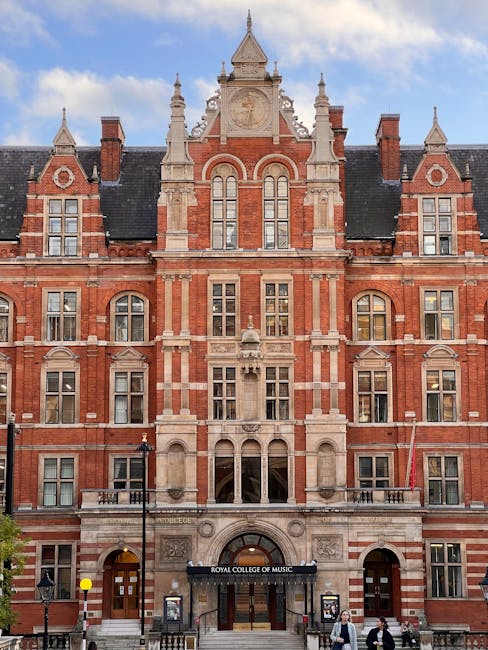
Royal Albert Hall access advice for South Kensington removals
If you are planning a move anywhere near the Royal Albert Hall, you already know the area can be a little tricky. Tight streets, busy traffic, event-day crowds, service vehicle limitations, and the general reality of moving in central London all add up. The good news? With the right Royal Albert Hall access advice for South Kensington removals, the whole process becomes much easier to manage.
This guide breaks down what access really means in practical terms, how to plan around the Hall and the surrounding South Kensington roads, and what to do before moving day so your removal team is not stuck in a queue wondering where to unload. It is written for people moving home, flat, office, or specialist items nearby. And yes, a little preparation goes a long way here, more than most people expect.
Table of Contents
- Why Royal Albert Hall access advice for South Kensington removals Matters
- How Royal Albert Hall access advice for South Kensington removals Works
- Key Benefits and Practical Advantages
- Who This Is For and When It Makes Sense
- Step-by-Step Guidance
- Expert Tips for Better Results
- Common Mistakes to Avoid
- Tools, Resources and Recommendations
- Law, Compliance, Standards, or Best Practice
- Options, Methods, or Comparison Table
- Case Study or Real-World Example
- Practical Checklist
- Conclusion
- Frequently Asked Questions
Why Royal Albert Hall access advice for South Kensington removals Matters
The Royal Albert Hall sits in one of London's most high-pressure traffic pockets. Even if you are not moving directly into the building itself, the surrounding roads can shape your entire removal day. Short loading windows, event traffic, narrow turning space, bus routes, and resident parking restrictions all affect how a van or lorry gets in, unloads, and gets out again.
That matters because removals are rarely just about lifting boxes. They are about timing, space, access, and not blocking a road while you wrestle a wardrobe through a doorway. In South Kensington, a small access issue can turn into a delay very quickly. A van that cannot stop safely. A lift that is too small. A building manager who wants notice. A road that looks fine on paper but is actually packed by 8:30 a.m. Bit of a headache, really.
This is where local moving knowledge pays for itself. If you are moving from a nearby flat, period property, office, or studio, it helps to think about access as a full part of the job, not an afterthought. The same idea applies across the area, whether you are booking removals in South Kensington, organising a smaller load with a man with a van in South Kensington, or arranging a more delicate move that needs extra planning.
If you want the wider local context as well, the guide to getting to know Kensington is a helpful companion piece, especially if you are new to the area or moving here for the first time.
How Royal Albert Hall access advice for South Kensington removals Works
At its simplest, access advice means planning how people, vehicles, and furniture will physically get to the property and back out again. Around the Royal Albert Hall, that involves three things: the road network, the building access, and the timing of the move.
First, the road network. South Kensington and the streets around the Hall can feel tight even on an ordinary weekday. Delivery vehicles need enough space to stop legally and safely, and that space may be limited by bends, waiting restrictions, or high traffic flow. If your removal vehicle is too large for the route, you can get delays before the loading even starts.
Second, building access. Some properties have basement entrances, side gates, service lifts, or shared hallways. Others have none of that and expect everything to go through the main entrance. The difference matters. A sofa that would be simple in a modern block may be awkward in a stucco-fronted building with narrow stairs and fragile banisters. Truth be told, this is where removals get interesting.
Third, timing. The Royal Albert Hall is a live venue, so event schedules, nearby foot traffic, and local congestion can affect whether an arrival time is realistic. A move at 7 a.m. is not the same as one at 11 a.m. on a concert day. If you do not plan around that, you may find the van is ready but the street is not.
Good access planning usually includes a site visit, photos, or at least a proper conversation about entrances, floor level, parking options, loading restrictions, and any fragile or oversized items. For larger or more complex loads, it also helps to discuss specialist handling with a service such as piano removals in South Kensington, because a grand piano and a curved staircase are not exactly best friends.
Key Benefits and Practical Advantages
When access is properly planned, the whole move runs more smoothly. That sounds obvious, but in practice it makes a real difference to stress levels, cost control, and how long the team spends at the property. A well-planned access route can save time, reduce handling risks, and help protect both your belongings and the building.
Some of the main advantages are straightforward:
- Fewer delays: the team knows where to park, where to enter, and how to move items without guesswork.
- Lower risk of damage: less rushing, less awkward lifting, fewer tight turns with heavy furniture.
- Better use of labour: movers spend more time moving, less time circling the block or trying to find a workable entrance.
- Less disruption for neighbours: important in communal blocks and residential streets where everyone notices a noisy move.
- More accurate quotes: access details help removers estimate the right vehicle size, time, and crew.
There is also a quieter benefit: peace of mind. Once you know the van can get close enough and the building access is realistic, the move starts to feel manageable rather than vague. That matters more than people think. Moving day is already a lot.
And if your move is part of a wider life change, such as settling into a new area or working out what type of property suits you, the articles on real estate in Kensington and Kensington living recommendations can help you understand the local rhythm a bit better.
Who This Is For and When It Makes Sense
This kind of planning is useful for more people than you might expect. It is not just for large family homes or office relocations. In central London, even a one-bedroom flat can need careful access planning if the building sits on a busy road or has awkward stairs.
You will particularly want this advice if you are:
- moving into or out of a flat near the Royal Albert Hall
- handling a home removal with limited parking or a narrow entrance
- relocating office equipment or stock in a busy part of South Kensington
- moving a piano, artwork, antiques, or bulky furniture
- using a van service where parking time matters
- working to a tight timetable, such as a tenancy handover or same-day move
It also makes sense if you are comparing providers and want to understand who is actually equipped for the job. Not every mover is equally comfortable with central London logistics. Some are excellent at general removals but less confident with local access constraints. A reputable provider should be able to talk you through the route, vehicle choice, and any building-specific concerns. That is part of choosing among removal companies in a sensible way, not just picking the cheapest quote and hoping for the best. We have all done that at least once, and regretted it immediately.
If you are moving from a smaller property, the services at flat removals South Kensington or home removals South Kensington are often the most relevant starting points.
Step-by-Step Guidance
Here is a practical way to approach Royal Albert Hall access advice for South Kensington removals without overcomplicating things.
- Map the exact property access. Note the entrance used for loading, any steps, lift size, basement access, and whether the vehicle can stop nearby.
- Check road conditions at your moving time. The same road can feel very different at 8 a.m. and at 2 p.m. Weekends and event days are especially unpredictable.
- Measure large items. Wardrobes, sofas, headboards, and pianos need proper dimensions. Do not rely on memory. It is never quite right.
- Tell your removers about restrictions early. If there is controlled parking, timed access, concierge rules, or loading bay rules, say so upfront.
- Share building instructions. Provide contact details for building management, keyholders, or concierge if needed.
- Decide the vehicle type. A small van, medium van, or larger removal vehicle may suit different access situations. The wrong size can create avoidable problems.
- Protect fragile items first. If access is awkward, padding, blankets, and proper packing become even more important.
- Reconfirm the plan before moving day. A brief check-in helps catch last-minute changes, which happen more often than people like to admit.
One useful trick: take a few photos of the entrance, hallway, stairwell, and nearest parking point. A phone call is good, but a photo can save a lot of explaining. "Yes, the sofa really is this big" becomes much easier when everyone is looking at the same staircase.
If you are still deciding how much support you need, the broader services overview and removal services in South Kensington pages are useful for comparing options.
Expert Tips for Better Results
Small adjustments make a big difference in this part of London. Here are the details that tend to separate a smooth move from an annoying one.
- Book earlier than you think you need to. Access-sensitive moves often need a bit more coordination, especially around busy dates.
- Use the quietest realistic time slot. Early starts often work better near the Royal Albert Hall because roads and footfall are calmer.
- Keep a backup plan for parking. If the first stopping point is blocked, have a second option ready.
- Separate essential items. Put keys, documents, chargers, and a kettle in one clearly labelled bag. You will thank yourself later.
- Protect communal areas. Floor coverings, corner guards, and careful handling matter in older buildings with polished stair rails and tight landings.
- Tell neighbours or building staff in advance. A little notice goes a long way. Less grumbling, fewer awkward encounters in the lobby.
- Match the service to the job. A small access move may suit a man and van South Kensington service, while a larger family move may need a full team and bigger vehicle.
Also, if you are moving something valuable or unusually heavy, say so. Not because people will panic, but because good movers plan differently when they know the item needs extra care. A piano, for example, is not just another box with a lid.
For more detailed packing support, the page on packing and boxes in South Kensington is worth a look.
Common Mistakes to Avoid
Most access problems are predictable. That is the annoying part, really. The good news is they are also avoidable.
- Assuming the van can stop right outside. In central London, that is often not true.
- Forgetting about event traffic. The Royal Albert Hall area can change character quickly on performance days.
- Not measuring furniture properly. "It looked fine in the lounge" is not a measurement.
- Ignoring stair width and turning space. The tight corner at the top of the stairs is where a lot of moves slow down.
- Leaving packing until the last minute. If access is difficult, unfinished packing adds stress no one needs.
- Failing to tell the mover about restrictions. Building rules, time slots, and parking constraints should never be a surprise on arrival.
- Choosing a vehicle without thinking about access. Bigger is not always better. Sometimes a more compact van is the practical choice.
There is a pattern here: most issues start with assumptions. The street will be free. The lift will fit the table. The concierge will know we are coming. Moving in this area rewards the opposite approach: check, confirm, then check again.
Tools, Resources and Recommendations
You do not need a pile of fancy tools to plan access well. A few simple things are enough, and they are all practical.
- Phone camera: take photos of entrances, bays, stairwells, and any narrow points.
- Tape measure: use it for furniture dimensions, lift openings, and doorway widths.
- Simple floor plan or sketch: even a rough drawing helps clarify where items must go.
- Written notes: parking restrictions, concierge instructions, and contact numbers should be kept in one place.
- Packaging supplies: sturdy boxes, wrapping, labels, and protective covers reduce damage during tricky access moves.
For service selection, it helps to compare what different providers actually offer. Some moves only need a smaller vehicle and one or two movers, while others benefit from a fully equipped team. The page on removal van South Kensington can help if your move is vehicle-led, while movers in South Kensington is useful if you want to understand team-based support.
If access, safety, and handling quality are all on your mind, the insurance and safety information is a sensible page to review before booking. Not glamorous, I know, but absolutely worth it.
Law, Compliance, Standards, or Best Practice
For moves near the Royal Albert Hall, the practical legal and compliance side usually comes down to safe stopping, parking awareness, duty of care, and sensible building etiquette. Exact restrictions can vary depending on the street, time of day, and any local arrangements in place, so it is best not to assume anything.
In general, good practice means:
- not blocking traffic or emergency access
- keeping to any parking or loading restrictions that apply
- respecting building rules for lifts, common areas, and service entrances
- handling items safely to avoid injury or property damage
- ensuring the removal team is aware of any hazards or access limitations
If you are moving in a block with shared access, a concierge, or a managed entrance, it is wise to confirm the booking procedure early. Some buildings expect notice for loading, some have fixed time windows, and some require all moves to be coordinated through the management office. Slightly boring, yes. Still important.
For customers who want to understand how a company handles documents, payment, or service terms, the pages on payment and security, terms and conditions, and about us can help build confidence before you book.
We also recommend checking that any move involving valuable items, specialist handling, or tight access is discussed clearly in advance. If you are moving into a flat with old fittings, narrow turns, or fragile finishes, a little caution is simply the sensible option.
Options, Methods, or Comparison Table
Different access situations call for different approaches. The best option depends on what you are moving, how much space you have, and how complicated the route is. Here is a simple comparison to help you think it through.
| Method | Best for | Pros | Watch-outs |
|---|---|---|---|
| Man and van | Small loads, single flats, quick local moves | Flexible, compact, often easier in tight streets | Less capacity for large or complex moves |
| Full removal team | House moves, multiple rooms, heavier furniture | More labour, better for stairs and larger items | Needs more planning around access and timing |
| Specialist handling | Pianos, antiques, artwork, oversized items | Extra care and the right equipment | Should be booked with full details in advance |
| Same-day support | Urgent moves or last-minute access changes | Fast response, useful when plans shift | Availability can be tighter and details matter even more |
For many people near the Royal Albert Hall, the sweet spot is a compact but well-prepared service. Not too small for the job, not too large for the street. If the move is urgent or you are working with a narrow time window, same-day removals in South Kensington may be the right fit, provided the access details are clear from the start.
Case Study or Real-World Example
A practical example makes this easier to picture. Imagine a couple moving from a second-floor flat near the Royal Albert Hall into another South Kensington property a few streets away. They have a sofa, two beds, several boxes, a dining table, and one awkward, very heavy piano that nobody wants to underestimate.
At first glance, the move seems straightforward. It is local, after all. But when they check the details, they realise the first building has a narrow stairwell, the second has a shared entrance with limited stopping space, and there is an event at the Hall later that afternoon. The obvious plan would have been to turn up and hope for the best. That would have been... ambitious.
Instead, they send photos of both properties, measure the piano and sofa, and arrange the move for a quieter morning slot. The removers bring the right vehicle, plan the order of loading, and use protective wrapping for the doorway edges and bannisters. The result is not dramatic. No heroic rescue scene. Just a calm, efficient move that finishes on time.
That is often what good access planning looks like: boring in the best possible way. No panic. No surprises. Just a smooth day, and everyone can get on with unpacking the kettle first, because honestly, that is the only real priority after a London move.
Practical Checklist
Use this before you confirm the booking.
- Have I confirmed the exact address and entrance to be used?
- Do I know whether there are parking or loading restrictions?
- Have I checked for nearby events or likely traffic pressure?
- Have I measured all large or awkward items?
- Have I shared lift details, stairs, and any building rules?
- Have I told the removers about fragile or valuable items?
- Have I prepared a contact name for building management or concierge?
- Have I packed essentials separately for the first day?
- Have I reviewed insurance and safety information?
- Have I chosen the right service level for the job?
If you are unsure about any one of those points, that is usually the sign to ask questions before moving day, not after. Better to sound fussy for five minutes than discover a problem at the kerbside.
Get a free quote today and see how much you can save.
Conclusion
Royal Albert Hall access advice for South Kensington removals is really about making a busy part of London feel manageable. Once you think in terms of access, timing, vehicle choice, and building rules, the move becomes much easier to control. That is true whether you are shifting a flat's worth of boxes or managing a move with bulky furniture and specialist items.
The main lesson is simple: do not leave access to guesswork. Share details early, plan around the roads, and choose a mover who understands central London realities rather than just promising to turn up. That one decision can save time, money, and a fair bit of stress.
And if you are still weighing your options, it may help to read more about the local area and services, including moving tips for South Kensington Station area removals and the broader range of furniture removals in South Kensington. The more you know before the van arrives, the calmer the day tends to be. Simple as that.
Move carefully, plan kindly, and give yourself a bit of breathing room. In this part of London, that usually makes all the difference.
Frequently Asked Questions
What does access advice mean for a removal near the Royal Albert Hall?
It means planning how the removal team, van, and furniture will safely reach the property and load or unload without avoidable delays. In this area, that usually includes traffic, parking, entrance size, and building rules.
Why is moving around the Royal Albert Hall more complicated than other parts of South Kensington?
The area can be busier because of local traffic patterns, event activity, and a mix of residential and visitor movement. Roads may also be tighter than people expect, which affects where a vehicle can stop.
Should I book a smaller van for a central London move?
Sometimes, yes. A smaller or more compact vehicle can be easier to place near awkward streets or restricted access points. The right choice depends on the amount of furniture, not just on convenience.
How far in advance should I share access details with the removals team?
As early as possible. If there are parking restrictions, concierge rules, narrow stairs, or event-day constraints, those details should be shared during the quote stage if you can.
What if my building has a lift but it is very small?
That is still important access information. A small lift may not be suitable for large furniture, and some items may need to be carried by stairs or moved in a different way. Tell the removers before booking.
Do I need specialist help for a piano move near South Kensington?
If the piano is heavy, valuable, or has to move through awkward access, specialist handling is usually the safer choice. It is one of those jobs where the right experience matters a lot.
Can same-day removals work in this area?
They can, provided the access is clear and the job is realistic for the time available. Short notice moves are possible, but they depend heavily on the route, vehicle size, and item list.
What should I photograph before moving day?
Take photos of the main entrance, any side access, stairs, lift, loading point, and narrow hallways. These images help the removers judge whether the planned route is workable.
How do building rules affect the move?
Managed buildings may have specific time slots, notice requirements, or loading procedures. If those rules are not followed, the move can be delayed or made more difficult, so it is worth confirming them first.
What happens if parking is blocked on the day?
A good removals team will usually look for a safe fallback position and adapt the loading plan. Still, blocked parking can add time and effort, which is why a backup plan is useful.
Is access advice only useful for home removals?
No. It is also helpful for office removals, student moves, furniture deliveries, and specialist item transport. Any move in a busy central London location benefits from proper access planning.
How do I know if I need a full removal team or just a man and van?
Think about volume, weight, access difficulty, and timing. A small local move with minimal furniture may suit a man and van South Kensington service, while bigger or more awkward moves usually need a fuller setup.
Where can I find more general help about local moving in South Kensington?
Start with the service pages and local guides. Pages such as Kensington living: what locals recommend and navigating Kensington's real estate market can give you useful background if you are settling in or planning a move nearby.