South Kensington removals for homes and businesses

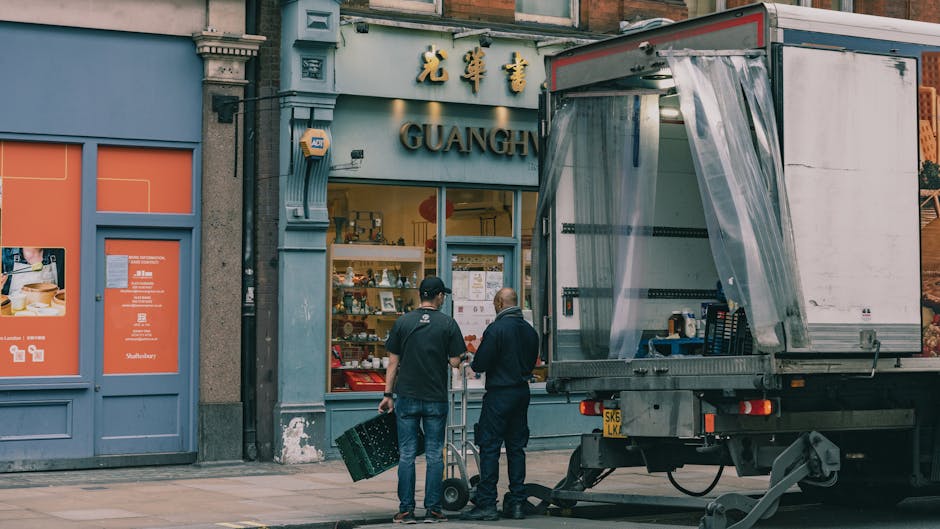
South Kensington removals should be organised with care, clear timing and the right vehicle for the job. We provide a practical moving service for customers who need furniture, boxes and other belongings moved safely within the area or to another destination. The focus is on careful handling, sensible planning and a straightforward process that helps the move stay orderly from the first load to the last item.
Our removals work can support a full household move, a smaller flat move or a business relocation where furniture and equipment need to be taken apart, protected and transported in sequence. Well-planned removals reduce disruption, especially where access is tight, lifts are shared or parking is limited. If you are comparing options, you can start with a short discussion and then request a quotation once the scope is clear.
The service is built around the practical details that matter on moving day: suitable carrying methods, steady loading, secure transit and a considered approach to fragile or awkward items. If you need a wider overview of our main service, the removal services page explains the core work in more detail. For customers looking at a home move specifically, home moves gives a useful starting point before you decide how much help you need.
House and flat removals planned around the property
Not every home move needs the same approach. A top-floor flat, a townhouse with narrow stairs and a family home with several rooms each create different loading patterns, item sizes and access requirements. Our house removals work is aimed at keeping those details manageable rather than rushed. We can move furniture, white goods, boxes, bags and mixed household contents in a sequence that suits the property and the day.
If you are choosing between different levels of help, it can be useful to think about what needs to be dismantled, what must stay upright, and which items will require wrapping or extra space. A moving day often goes more smoothly when the packed items are grouped by room and the larger pieces are already identified. For a more focused look at domestic work, see our house removals page, and for customers who prefer a more general domestic format, house movers sets out the same kind of practical moving support.
- single-item or multi-room household moves
- careful carrying for sofas, tables and wardrobes
- loading and unloading with attention to access
- transport for boxes, bags and protected loose items
What helps the move run smoothly
Two simple steps usually make the biggest difference: having a realistic inventory and making sure access points are known in advance. If there are narrow hallways, basement storage, parking restrictions or items that need dismantling, that information helps shape the move properly. It is also useful to know whether the job is local, cross-city or longer distance, because the vehicle choice and the time required can change with the route.
Office removals that keep equipment and furniture moving

Business moves need a firmer structure because desks, chairs, files, screens and stock often have to be moved with as little interruption as possible. Our office removals service is intended for companies that want a careful transfer of furniture and working items from one site to another. The work can include dismantling where needed, labelling grouped items and loading in a way that supports the order of the destination setup.
For some commercial customers, the important issue is not size alone but continuity. A move may involve shared workspaces, storage rooms, archive material or a mix of office and operational equipment. We can support that process with a sensible moving plan and the right vehicle. If you are moving a workplace, the office removals page offers a more specific description, while commercial moves covers broader business relocation needs.
Where a customer needs an overall provider overview rather than a single service page, removal company gives a concise picture of the kind of work we handle. When businesses want to compare general suppliers and service scope, removal companies may also be useful as a starting point before they make an enquiry.
Packing support, loading and careful handling
Packing has a direct effect on how a move behaves in transit. Boxes that are overfilled, loose wraps and poorly secured furniture can create avoidable problems when items are lifted or stacked. Our packing and unpacking services are there to reduce that risk and to make the contents more manageable. They are especially useful for fragile household pieces, mixed office materials and belongings that need to be grouped by room or department.
Good packing is not only about materials; it is also about sequence. Heavy items should be set out in a way that keeps them stable, and delicate items need enough protection to stay separated from harder surfaces. Where customers only want support for part of the process, we can discuss how much of the packing should be completed in advance and what should be left for the moving team. For more detail on this kind of support, visit packing and unpacking services.
Choosing the right support level
Some customers want us to manage the full packing process, while others only need help with larger or more fragile pieces. Both approaches can work well if they are matched to the move itself. It helps to know whether fragile décor, kitchenware, books, electronics or archive boxes need special treatment. A clear plan also makes it easier to decide what can be loaded first and which items should remain accessible until the end.
Man and van options for smaller moves

Not every move needs a large removal vehicle or a full household team. A smaller collection of items, a student move, a partial property move or a single-room transfer may be better suited to a man and van arrangement. This kind of service can be a practical choice when the load is modest, the route is straightforward and the customer wants a flexible, transport-led solution without unnecessary extras.
We offer this type of support for customers who need practical lifting, carrying and transport in one simpler package. Depending on the contents, the move may include boxes, a bed base, a chest of drawers, office chair, appliances or a few bulky items that are awkward to move alone. If that is the sort of move you need, man and van explains the core service, while man with a van gives another relevant option for lighter relocation jobs.
When the move is especially compact or the items are all going to one address, a smaller vehicle can be more efficient than a larger removal set-up. The key is matching vehicle space to the contents rather than choosing more capacity than required. If you are still deciding, it is sensible to keep a basic list of what needs moving so the right format can be suggested without overcomplicating the job.
Furniture pick-up and transport for individual items
Sometimes the need is narrower than a full removal. A customer may want a table collected from a shop, a wardrobe moved between properties, or a set of office chairs transported to another site. Our furniture pick-up service is intended for those smaller but still awkward jobs where the main challenge is handling weight, size and safe placement rather than organising a whole household relocation.
Because individual items can vary so much, the work benefits from clear information about dimensions, access and whether the piece has already been dismantled. It is also worth saying if the item is delicate, heavy, or needs to be kept upright. The relevant service page is furniture pick-up, and for customers who prefer a transport-focused solution with a vehicle included, moving van is a useful related page.
When a single item is being moved, the main objective is to keep it protected and avoid strain during loading. That may involve blankets, straps, measured lifting or a careful route through the property. If you are arranging multiple loose items at once, a slightly broader transport plan may be the better fit than a one-off pick-up, especially where access or parking is not simple.
Vehicle choices and the right scale for the job

Different moves need different transport. A compact van can suit a few boxes and a small amount of furniture, while a larger removal truck may be more appropriate for full homes, office contents or heavier mixed loads. Our moving truck and removal vehicle options are there to match the scale of the job to the amount of space required, which helps reduce wasted journeys and keeps loading more organised.
If you are comparing transport formats, it is helpful to think about the shape of the contents as well as the total volume. Bulky sofas, tall bookcases, file cabinets and wrapped mattresses can take up space in a very different way from uniform boxes. Useful supporting pages include removal truck hire, moving truck and removal van, each of which relates to a different transport need.
For customers whose move sits between a van and a larger removal set-up, removals van and moving van can also be helpful to compare. The aim is not to choose the biggest vehicle available, but the one that fits the contents comfortably and can be loaded in a sensible order. That approach usually makes the whole process easier to manage.
About South Kensington
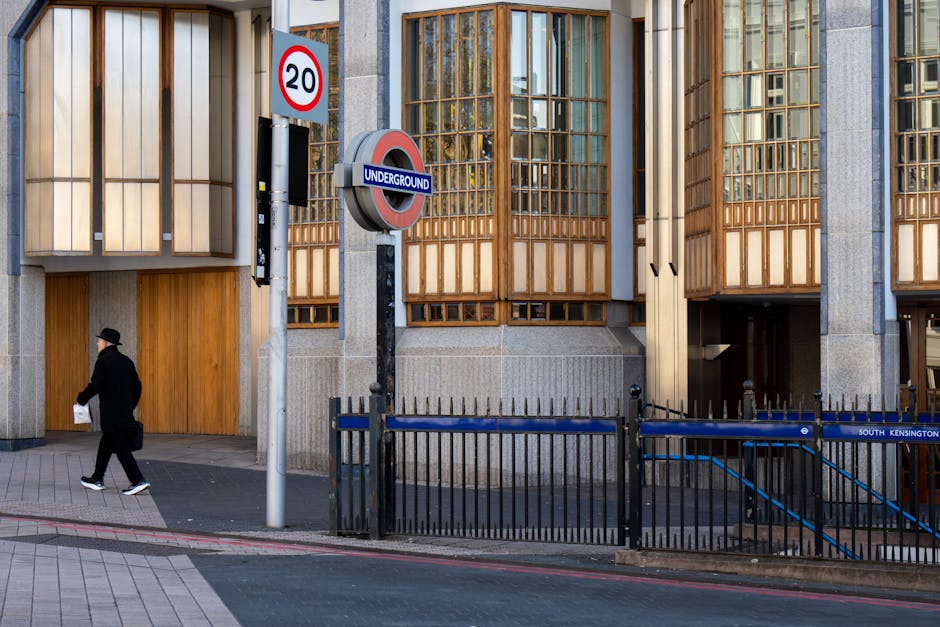
South Kensington is a district in the Royal Borough of Kensington and Chelsea, in west London, shaped by nineteenth-century urban development and a strong concentration of cultural institutions. The area is closely associated with the exhibition legacy of the Great Exhibition of 1851, which helped establish the so-called Albertopolis cluster of museums and educational buildings. Among the best-known landmarks are the Natural History Museum, the Victoria and Albert Museum and the Science Museum, all of which give the district a distinctive civic and architectural identity. The area also includes garden squares, stucco-fronted terraces and mansion blocks that reflect its later Victorian and Edwardian growth. South Kensington Underground station, opened in the 1860s and later rebuilt, is a major transport node that connects the district to other parts of central London. Nearby roads and squares include Cromwell Place, Thurloe Square and Exhibition Road, each contributing to the area's mixed character of residential streets, academic institutions, specialist shops and visitor destinations. Cultural life is reinforced by museums, galleries, concert venues and nearby educational bodies such as Imperial College London. The district sits close to Knightsbridge, Chelsea and Earl's Court, yet retains a recognisable identity shaped by its museums, period architecture and well-known public spaces.
Quotation details, access and moving day planning
Quotation requests work best when they include the basic shape of the move rather than long explanations. The most useful details are usually the type of property, the collection and delivery points, the main items to be moved and whether there are any access concerns such as stairs, lifts or restricted parking. That gives us a sound basis for a sensible estimate and helps avoid confusion later.
It can also help to note whether the move includes dismantling, packing, fragile items or waiting time between locations. If there are items with unusual dimensions, letting us know early makes it easier to plan loading space and handling method. You do not need to overprepare, but a clear list of the larger pieces and the approximate number of boxes is useful when you want the service matched properly to the job.
If you are ready to compare options, start with a quick summary and then request a quotation. For customers who want a fuller overview of the business details and support pages, the about us page and contact us page are sensible next steps before confirming the move.
Insurance, safety and responsible disposal

Moving belongings safely is not only about lifting technique; it also involves planning how items are wrapped, stacked and secured in transit. Our approach to insurance and safety is intended to support that process with sensible precautions and careful handling. Where items are heavy, awkward or fragile, the right methods reduce the chance of damage and make the move easier to manage for everyone involved.
Some customers also want to think about what happens to items they no longer need. If the move includes surplus furniture, packaging or unwanted household goods, it may be useful to consider whether anything can be reused, donated or separated for recycling. The page on insurance and safety sets out related practical considerations, and recycling and sustainability explains our wider approach to responsible handling.
Good planning is still the simplest way to keep the day orderly. If you can identify items that need extra care and say which pieces must be unloaded first, the move can be arranged more efficiently. For a quick next step, send the essential details and ask for a quote in the format that suits you best.